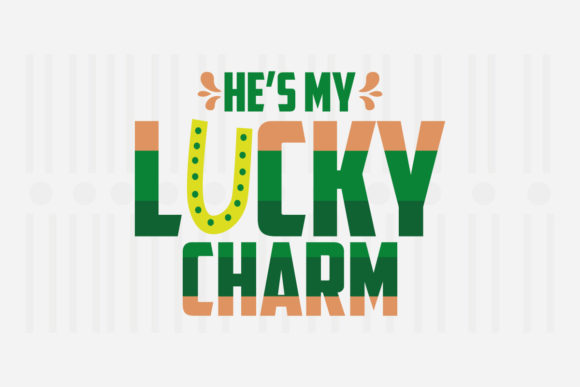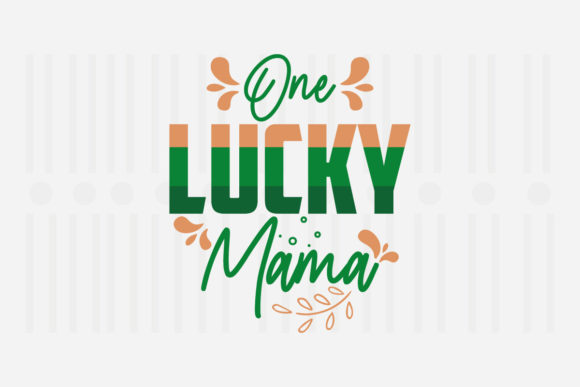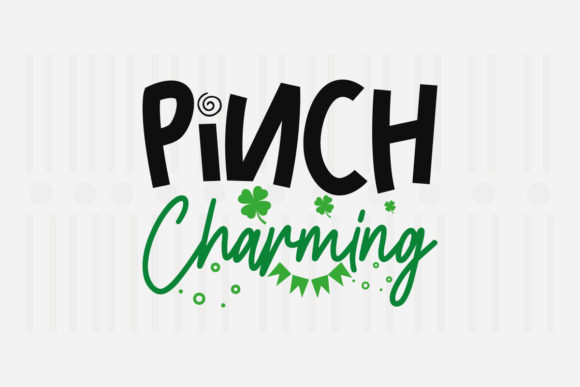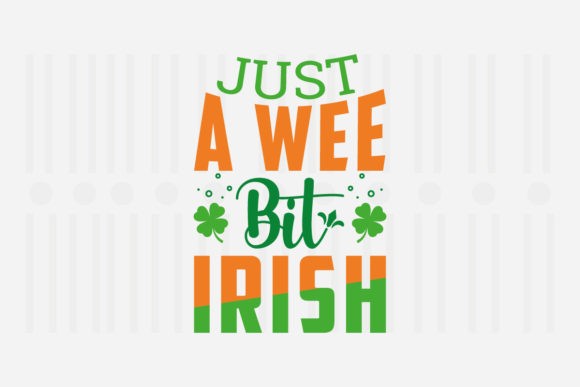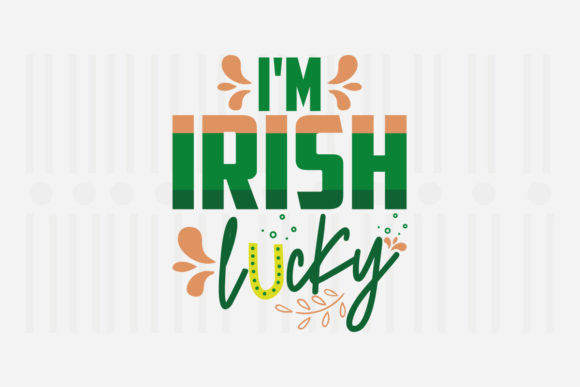
100 Irish Today Only, St. Patrick’s Day
As a designer who’s stitched hundreds of holiday-themed embroidery files—from first-time hobbyist projects to boutique merchandise lines—I opened 100 Irish Today Only, St. Patrick’s Day expecting charm, but not quite the quiet confidence this design carries. It’s not loud or overly festive; it’s warm, legible, and quietly proud—like something you’d stitch onto a linen tea towel for a St. Paddy’s brunch or embroider onto a baby onesie for a March birthday. That mood matters more than you’d think when choosing a machine embroidery design for real use.
Last week, I prepped a custom order: an organic cotton tote bag for a local café’s pop-up event. They wanted something cheerful but not kitschy—no leprechaun hats or rainbows, just genuine Irish spirit with craft integrity. 100 Irish Today Only, St. Patrick’s Day fit that brief without needing edits. Its clean SVG-based structure (with EPS backup) gave me full control over sizing and color, and the “100 Color Changeable” feature meant I could test emerald green on cream canvas, then switch to navy thread on oatmeal linen—all in minutes.
This isn’t a dense fill-stitch monstrosity. It’s built with balanced satin stitch outlines and open letterforms—ideal for breathable fabrics like cotton twill, canvas, or even lightweight denim. I ran it on a medium-weight woven apron fabric with tear-away stabilizer, and every curve held its shape. No puckering. No thread breaks. The “Today Only” phrasing lands with gentle urgency—not salesy, but human. That tone translates well into handmade product storytelling, especially for Etsy sellers or small shop owners building seasonal collections.
Where it shines most is in context-sensitive applications: a sweatshirt embroidery project where readability at arm’s length matters, a pillow cover where softness shouldn’t be compromised by heavy stitching, or a baby embroidery piece where minimal density means safer, softer wear. Because the design avoids tight corners and micro-details, it scales down cleanly—even at 3.5 inches wide—without losing legibility. That makes it viable for caps or curved surfaces, provided you use proper cap hoops and light cutaway stabilizer.
But let’s talk realism: this isn’t magic. On stretchy fabric like jersey or thin knits, you’ll need a firm cutaway stabilizer and possibly reduced stitch density—check your embroidery file settings before committing. Dark fabric? Absolutely works—but confirm contrast in a black-and-white mockup first. Light thread on black can vanish if the fill stitch is too sparse. And while “Ready to print” sounds convenient, remember: ready-to-print doesn’t mean ready-to-embroider without testing. Always run a sample on scrap fabric that matches your final product’s weight and texture.
I also tested it as an embroidered patch. With a simple border stitch and clean edges, it pressed flat and held up after two wash cycles—no fraying, no distortion. That durability signals strong design discipline, not just decorative flair. For craft business owners, that reliability builds trust: customers notice when personalized gifts hold up, and repeat buyers return for consistency, not just charm.
The “100 Color Changeable” claim holds up—but only if your software supports multi-color layering. If you’re using basic embroidery software or converting from SVG to PES or DST, verify how many color stops are preserved. Some converters flatten layers, which defeats the purpose. When in doubt, open the EPS or SVG in Illustrator or Inkscape first, adjust colors there, then digitize with intention—not autopilot.
For holiday embroidery, timing is everything—and 100 Irish Today Only, St. Patrick’s Day respects that. It doesn’t overpromise. It doesn’t cram in shamrocks or harps just because it’s March. It leans into language as design: bold enough for visibility, restrained enough for sophistication. That balance helps handmade product listings stand out in crowded feeds—especially on platforms like Etsy, where shoppers scroll fast but pause for authenticity.
One note for digital product sellers: since the source file includes EPS and SVG, it’s versatile for both embroidery and printable mockups. You can drop it into Canva or Photoshop for social previews, pair it with vintage Irish typography, or bundle it with coordinating Celtic motifs—all while keeping brand consistency tight. Just double-check licensing before reselling the digital embroidery file itself. The listing says “Graphics” and “Crafts,” but commercial use rights aren’t stated outright—so verify before adding it to your digital shop.
Practical embroidery designer notes I made while testing:
- Test the design on scrap fabric matching your final product’s weight and stretch
- Check thread color contrast on both light and dark backgrounds using grayscale mockups
- Review stitch density—this design runs moderate, but adjust if using delicate fabrics
- Confirm hoop size compatibility; it fits standard 4x4 and larger hoops comfortably
- Inspect small details like the tail of the “y” in “Today”—it’s clean, but still fine enough to snag on textured fabric if stabilizer is skipped
- Use proper stabilizer: tear-away for stable wovens, cutaway for knits or stretchy blends
- Compare how it reads on apparel vs. home goods—same file, different impact
- Confirm whether your embroidery software preserves color layers before digitizing
Ultimately, 100 Irish Today Only, St. Patrick’s Day earns its place not as a novelty, but as a thoughtful design asset. It bridges holiday cheer and craft seriousness—the kind of embroidery file that makes a customer smile *and* feel seen. Whether you’re stitching a last-minute gift, launching a small shop collection, or building digital design assets for resale, it delivers clarity, flexibility, and quiet confidence. Just remember: even the best embroidery file needs your judgment. Test it. Touch it. Wear it. Then decide—not from specs alone, but from how it lives in the real world.