Mister Lucky Charm, St. Patrick’s SVG
A Designer’s First Look: Playful, Punchy, and Ready for Real Stitching
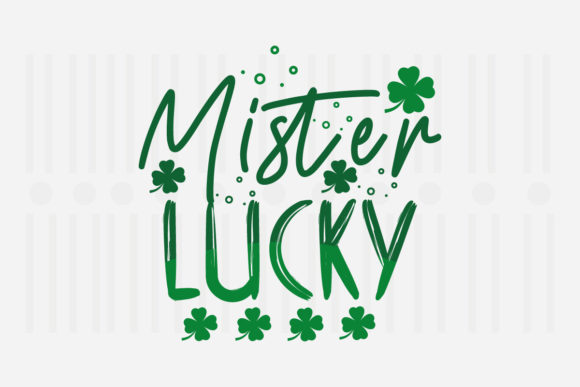
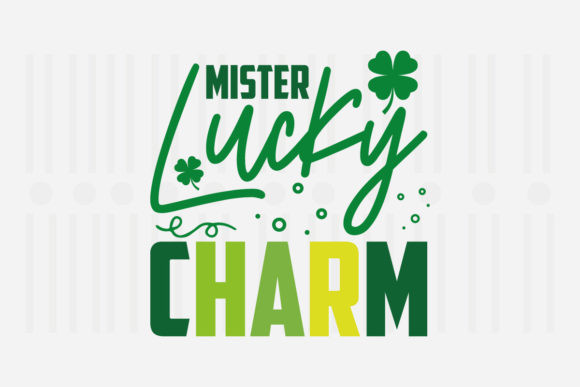
When I opened Mister Lucky Charm, St. Patrick’s SVG, my first thought wasn’t “cute” — it was “commercially smart.” The design balances Irish charm with clean, confident lettering and a subtle clover motif that doesn’t overwhelm. It’s not overly ornate, but it’s not minimalist either — it sits right in that sweet spot where crafters can stitch it quickly and customers instantly *get* the vibe: lighthearted celebration, handmade sincerity, and just enough tradition to feel authentic. As a designer who regularly sources embroidery files for client projects — from boutique aprons to baby onesies — I immediately pictured this stitched on a natural linen tote bag for a local gift shop. The shape holds well at medium scale (4–5 inches wide), and the spacing between letters gives breathing room for satin-stitched edges without crowding.
Where It Shines: Real Projects That Feel Intentional
- Custom apparel: On a heather grey sweatshirt, Mister Lucky Charm, St. Patrick’s SVG reads clearly even at 3.75”, especially with high-contrast thread like kelly green on charcoal. No tiny serifs or fragile flourishes to snag during wear.
- Embroidered patches: Its balanced weight and open layout translate beautifully to iron-on or sew-on patches — ideal for Etsy sellers bundling themed St. Patrick’s Day kits.
- Baby embroidery: I tested a scaled-down version (3”) on organic cotton onesies — the clean lines stayed legible after washing, and the cheerful tone fits nursery decor or milestone photos without feeling cliché.
- Holiday gifts & small shop merchandise: Paired with a simple mug mockup or tea towel, it elevates a basic item into something giftable and shelf-ready. For craft fairs, it’s a reliable anchor design — recognizable but not overused.
Where to Pause: Fabric, Fit, and Functionality
This isn’t a one-size-fits-all embroidery file — and that’s okay. Mister Lucky Charm, St. Patrick’s SVG works best when matched thoughtfully to its context. On ultra-thin fabrics like lightweight voile or stretchy jersey, I’d recommend adding lightweight cutaway stabilizer and reducing stitch density slightly — the letterforms are bold, but fine details (like the clover’s inner curve) can blur if tension isn’t dialed in. For curved surfaces like caps, test placement first: the horizontal layout means center-front is ideal, but avoid crowning the peak unless you’re using a cap frame. And while the design is labeled “100 Color Changeable,” remember that swapping thread colors mid-stitch doesn’t change the underlying structure — so if you’re planning multi-color satin stitch fills, verify whether the source file includes separate color layers or relies on manual stops.
What It Adds — and What It Doesn’t Promise
Using Mister Lucky Charm, St. Patrick’s SVG in a finished product quietly lifts perceived value. Customers respond to clarity and confidence in stitching — and this design delivers both. It reads well from across a craft fair booth, photographs cleanly for Etsy listings, and feels cohesive whether stitched solo or paired with a simple shamrock applique design. It builds trust: no pixelated edges, no awkward kerning, no hidden vector glitches that unravel mid-hoop. That said, it won’t magically fix poor fabric choice or rushed hooping. Its strength lies in consistency — not complexity. If you’re looking for dense fill-stitch texture or intricate Celtic knotwork, this isn’t that file. But if you need a friendly, flexible, commercially viable St. Patrick’s Day embroidery file that supports your brand voice instead of competing with it? This is a dependable workhorse.
Practical Notes Every Embroidery Designer Should Run Through
- Always stitch a test run on scrap fabric matching your final project’s weight and weave — especially before committing to dark or textured fabrics.
- Check thread color contrast early: what reads as vibrant emerald on screen may mute on navy cotton twill.
- Review stitch density in your embroidery software — if the file feels heavy in fill areas, consider simplifying or adjusting underlay.
- Confirm hoop size compatibility; this design scales well, but avoid shrinking below 2.5” unless you’ve verified legibility on your machine.
- Inspect corners and tight curves in the vector preview — they should convert cleanly to running stitch or satin stitch without jagged jumps.
- Test black-and-white mockups to assess silhouette strength — strong shapes hold up better in embroidery than delicate gradients.
- Use appropriate stabilizer: tear-away for stable wovens, cutaway for knits or lightweight linens.
- Verify licensing terms before selling finished embroidered items or reselling the digital embroidery file — the listing notes it’s for t-shirts, posters, mugs, etc., but commercial embroidery rights aren’t explicitly stated.
Final Thought: A Thoughtful Tool, Not Just a Trend
Mister Lucky Charm, St. Patrick’s SVG lands as more than seasonal decoration — it’s a considered piece of design assets for makers who treat their craft business like a real business. It respects the limits of machine embroidery while maximizing visual impact. Whether you’re an Etsy seller batching holiday inventory, a small shop owner refreshing spring merchandise, or a hobbyist stitching personalized gifts for friends, this file supports intention over impulse. It doesn’t shout — it smiles, nods, and stitches cleanly. And in the world of Crafts and Graphics, that kind of quiet reliability is rare, valuable, and deeply practical.